
What Is Matcha? Everything You Need to Know About This Japanese Green Tea
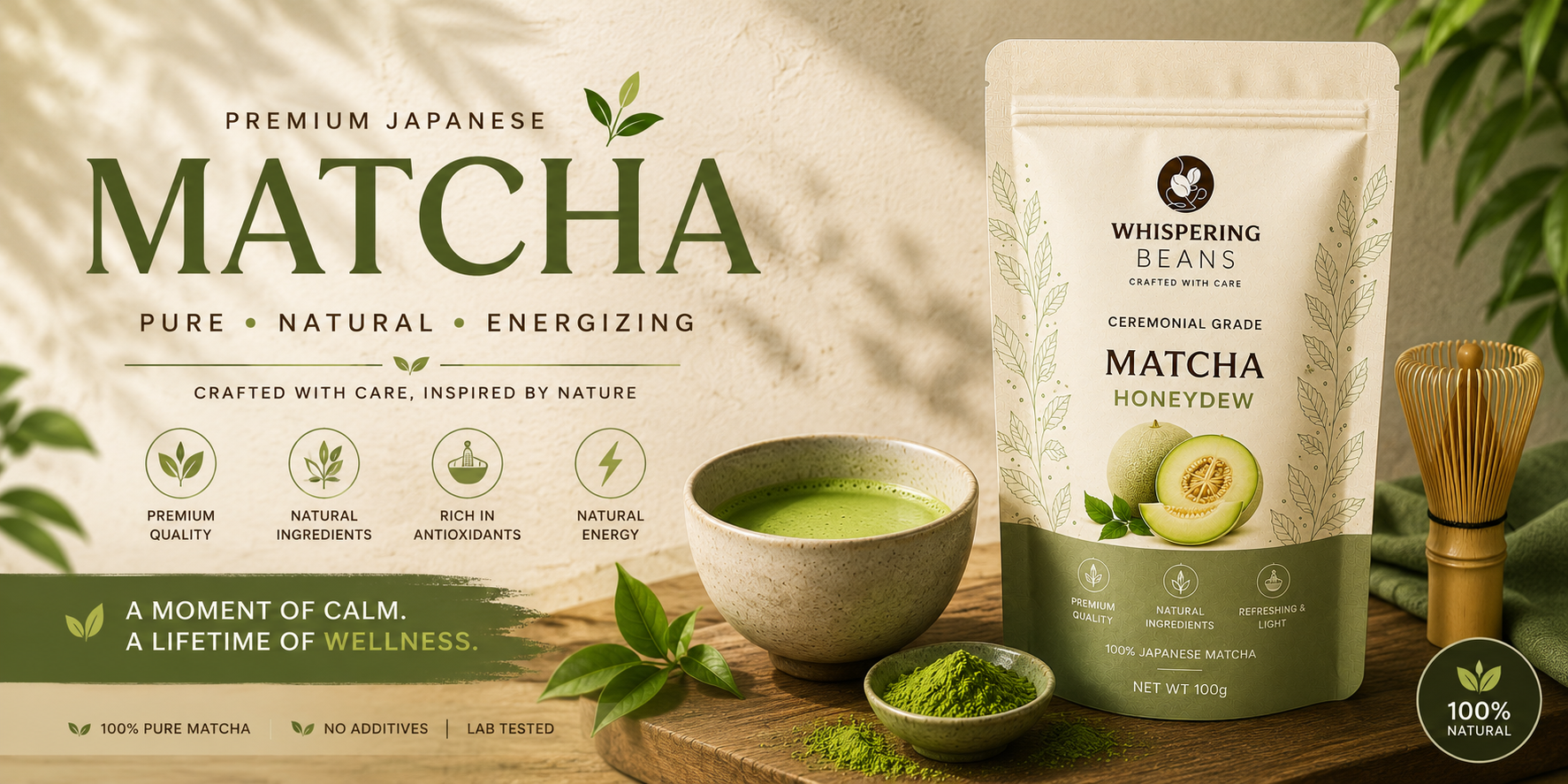
Matcha has become one of the world’s most popular superfoods, appearing in cafés, smoothies, desserts, and wellness routines. But what exactly is matcha, and why has it gained such a loyal following?
Unlike regular green tea, matcha is made from finely ground whole tea leaves, giving it a richer flavour, brighter colour, and higher concentration of nutrients. Whether you’re looking for a natural energy boost or simply want to explore a traditional Japanese beverage, matcha is worth discovering.
In this guide, you’ll learn what matcha is, how it’s made, its health benefits, how it tastes, and the best ways to enjoy it.
What Is Matcha?
Matcha is a finely ground powder made from specially grown green tea leaves known as Camellia sinensis. Instead of steeping the leaves in hot water and discarding them like regular tea, you whisk the powder directly into water or milk and consume the entire leaf.
This unique preparation means you’re getting more antioxidants, vitamins, minerals, and natural plant compounds in every cup.
For centuries, matcha has been an important part of the Japanese tea ceremony, representing mindfulness, hospitality, and tradition.
Where Does Matcha Come From?
Although tea originated in China, matcha became deeply rooted in Japanese culture.
Today, some of the highest-quality matcha comes from regions including:
- Uji (Kyoto)
- Nishio (Aichi)
- Shizuoka
- Kagoshima
These regions offer ideal climate conditions and generations of expertise in tea cultivation.
How Is Matcha Made?
Producing premium matcha is a careful process that requires skill and patience.
1. Shade Growing
Around three to four weeks before harvest, tea plants are covered with shade cloths.
Reducing sunlight encourages the leaves to produce:
- More chlorophyll
- Higher levels of L-theanine
- Richer green colour
- Sweeter flavour
2. Hand Picking
Only the youngest and most tender leaves are harvested for premium-grade matcha.
3. Steaming
Fresh leaves are steamed immediately after harvesting to prevent oxidation and preserve their vibrant green colour.
4. Drying
The leaves are carefully dried before stems and veins are removed.
The resulting leaf is called Tencha.
5. Stone Grinding
Tencha leaves are slowly ground using traditional granite stone mills into an ultra-fine powder.
This slow grinding preserves flavour, aroma, and nutrients.
Matcha vs Regular Green Tea
Many people assume matcha is simply another type of green tea. While they come from the same plant, they’re quite different.
| Matcha | Regular Green Tea |
|---|---|
| Whole tea leaf consumed | Leaves are discarded after brewing |
| Higher antioxidant content | Lower antioxidant intake |
| Rich, creamy texture | Light, refreshing texture |
| More caffeine | Less caffeine |
| Higher L-theanine content | Lower L-theanine |
What Does Matcha Taste Like?
High-quality matcha offers a unique flavour that’s difficult to compare with other teas.
You can expect:
- Natural sweetness
- Smooth texture
- Mild vegetal notes
- Pleasant umami flavour
- Slight creaminess
Lower-quality matcha can taste bitter or overly grassy, which is why choosing premium ceremonial or high-grade culinary matcha makes a significant difference.
Why Is Matcha Bright Green?
Its vivid green colour comes from high chlorophyll levels.
Because the plants are shade-grown before harvest, they produce more chlorophyll, giving matcha its signature emerald appearance.
A dull yellow-green colour often indicates lower-quality or older matcha.
Matcha Nutrition
Matcha naturally contains several beneficial compounds, including:
- Catechins (especially EGCG)
- L-theanine
- Chlorophyll
- Vitamin C
- Vitamin A
- Potassium
- Iron
- Fibre
Because you consume the whole leaf, these nutrients are more concentrated than in traditional green tea.
Health Benefits of Matcha
Research continues to explore matcha’s potential health benefits. While it isn’t a miracle drink, it can be part of a balanced lifestyle.
Rich in Antioxidants
Matcha is particularly high in epigallocatechin gallate (EGCG), a powerful antioxidant that helps protect cells from oxidative stress.
Natural Energy
Matcha contains caffeine, but unlike coffee, it also contains L-theanine, which may help promote a calmer, more sustained feeling of alertness.
Many people find the energy from matcha feels smoother than coffee.
Supports Focus
The combination of caffeine and L-theanine has been studied for its potential to support attention and mental performance.
May Support Heart Health
Green tea consumption has been associated with cardiovascular benefits as part of a healthy diet and lifestyle.
Supports Overall Wellness
Matcha contributes beneficial plant compounds that may help support general health when consumed regularly.
How Much Caffeine Does Matcha Contain?
A typical serving contains approximately 35–70 mg of caffeine, depending on:
- Grade
- Serving size
- Preparation method
For comparison:
- Matcha: 35–70 mg
- Green tea: 20–45 mg
- Coffee: 80–120 mg
Different Grades of Matcha
Ceremonial Grade
Best for drinking with water.
Characteristics:
- Bright green
- Smooth
- Naturally sweet
- Minimal bitterness
Premium Grade
Excellent for daily drinking.
Ideal for:
- Matcha lattes
- Iced matcha
- Everyday use
Culinary Grade
Designed for recipes such as:
- Cakes
- Cookies
- Ice cream
- Smoothies
- Baking
Its stronger flavour stands up well in cooking.
How to Prepare Matcha
Making matcha is surprisingly simple.
You’ll need:
- 1 teaspoon matcha powder
- 60–80 ml hot water (about 80°C)
- Bamboo whisk (chasen)
Steps
- Sift the matcha into a bowl.
- Add hot (not boiling) water.
- Whisk in a zigzag “W” motion.
- Continue until frothy.
- Enjoy immediately.
You can also add steamed milk for a creamy matcha latte.
Popular Ways to Enjoy Matcha
Matcha is incredibly versatile.
Popular options include:
- Traditional hot matcha
- Iced matcha
- Matcha latte
- Matcha smoothie
- Matcha lemonade
- Matcha desserts
- Matcha pancakes
- Overnight oats
- Protein shakes
How to Store Matcha
Proper storage helps preserve flavour and freshness.
Store matcha:
- In an airtight container
- Away from sunlight
- Away from moisture
- In a cool place
- Refrigerated after opening (well sealed)
Always close the container tightly after each use.
Is Matcha Worth Trying?
If you’re looking for a delicious alternative to coffee or want to enjoy a tea rich in antioxidants and tradition, matcha is an excellent choice.
Its unique flavour, vibrant colour, and balanced energy make it popular among tea lovers, fitness enthusiasts, and anyone seeking a mindful daily ritual.
The key is choosing high-quality matcha and preparing it properly to enjoy its full flavour and benefits.
Frequently Asked Questions (FAQs)
Is matcha healthier than green tea?
Matcha generally contains more antioxidants and nutrients because you consume the entire tea leaf rather than just an infusion.
Can beginners drink matcha?
Yes. Starting with a matcha latte is often a great introduction, as the milk softens the earthy flavour.
Can I drink matcha every day?
Most healthy adults can enjoy matcha daily in moderation. If you’re sensitive to caffeine or have a medical condition, consult a healthcare professional.
Is matcha good for weight loss?
Matcha alone does not cause weight loss, but it can be a part of a balanced diet and active lifestyle.
Why is premium matcha expensive?
High-quality matcha requires shade-growing, careful harvesting, stone grinding, and meticulous processing, all of which contribute to its cost.
Final Thoughts
Matcha is far more than a trendy green drink. With centuries of Japanese tradition behind it, this finely ground green tea offers a unique combination of flavour, nutrition, and versatility. Whether enjoyed as a traditional tea, a creamy latte, or blended into your favourite recipes, matcha can be a satisfying addition to your daily routine.
By understanding how it’s grown, prepared, and enjoyed, you’ll be better equipped to choose the right matcha and appreciate what makes this vibrant green tea so special.